Keeping up with design demands can feel exhausting sometimes, one minute you need social media graphics, the next it's a pitch deck, website banner, flyer, ad creative, or presentation design. And when designs are delayed, inconsistent, or poorly done, it affects how customers see your business.
A lot of founders end up doing designs themselves, chasing unreliable freelancers, or overloading their in-house team just to keep things moving. The result? Burnout, inconsistent branding, and missed opportunities to attract customers.
Hiring a remote graphic designer helps businesses stay visually consistent, create professional designs quickly, and support daily marketing efforts without the cost of hiring a full in-office designer. This article explains what a remote graphic designer is, what they handle, what they do not do, why UK businesses are choosing remote designers, and what to look for when hiring one.
What Is a Remote Graphic Designer?
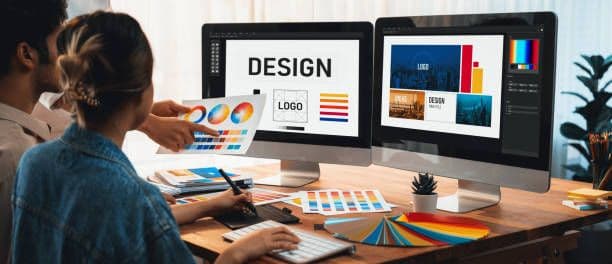
A remote graphic designer is a professional who creates designs by combining elements such as images, typography, colours, layouts and illustrations to communicate ideas or information. They study your brand, then create designs that showcase it and get the attention of potential customers.
The content they create can be used for digital purposes like social media posts, articles, online ads, and print assets like flyers, magazines, brochures and branded items. They work with businesses in every industry, remotely, during your working hours, as a dedicated part of your team.
What Does a Remote Graphic Designer Handle?
Aside from creating designs for brands, graphic designers are needed for other reasons. The scope of a graphic designer's work for brands can include all or some of the following:
Brand Identity Design
Graphic designers develop a company's visual identity by creating logos, selecting brand colors and typography, and establishing brand guidelines. They also design branded materials such as business cards, letterheads, and other stationery to ensure consistency across all communications.
Marketing Materials
They create promotional assets that support sales and marketing efforts, including brochures, flyers, posters, banners, and advertisements for both print and digital channels. These materials are designed to capture attention and communicate key messages clearly.
Social Media Content
Graphic designers produce engaging visual content for social media platforms, including posts, stories, cover images, promotional graphics, and infographics. This helps businesses strengthen their online presence and connect with their target audience.
Website and Digital Content
They design visual elements for websites and digital platforms, including page layouts, landing pages, user interface components, banners, and other graphics that enhance user experience and support business objectives.
Product and Packaging Design
Graphic designers create product labels, packaging designs, and visual mockups that make products attractive, informative, and aligned with the brand. They may also design retail displays and promotional materials used at points of sale.
Corporate Communication Materials
Businesses rely on graphic designers to create professional presentations, annual reports, newsletters, training materials, and other internal or external communication assets that present information in a clear and visually engaging manner.
Event and Promotional Materials
For events, conferences, trade shows, and marketing campaigns, graphic designers design banners, displays, invitations, promotional merchandise, and other visual materials that support brand visibility and audience engagement.
What a Graphic Designer Doesn't Do
A graphic designer is not typically responsible for tasks that belong to other creative specialists. For example, they do not usually write marketing copy, blog articles, advertising messages, or brand content, which are handled by copywriters and content creators.
Similarly, graphic designers do not usually manage overall creative strategy, marketing campaigns, or website development. While they create visual assets and design concepts, responsibilities such as campaign planning, brand strategy, user experience research, web development, and coding are generally handled by creative directors, marketing professionals, UX specialists, and developers.
Why UK Businesses Are Choosing Remote Graphic Designers
The biggest reason is consistency. A dedicated remote graphic designer who works exclusively for your business learns your brand deeply over time. No rebriefing from scratch every time you need something. No explaining your colours, fonts, and tone to a different freelancer every other week. That consistency shows in every piece of content your business puts out.
Cost is the second factor. A full-time in-house graphic designer in the UK costs upwards of £30,000 a year in salary alone before you add employer National Insurance, pension, equipment, and recruitment fees. A dedicated remote graphic designer delivers the same output at a fraction of that cost.
Availability matters too. A dedicated remote designer works your hours, responds to your briefs directly, and is not juggling five other clients the way a freelancer typically is. When you need something turned around quickly, they are there.
There is also no overhead. No office space, no equipment costs, no recruitment fees. The arrangement is simple and the savings go straight back into the business. Services like Arwana connect UK businesses with dedicated remote graphic designers from £699 a month, with no long-term contracts.
What to Look for When Hiring a Remote Graphic Designer
When hiring a remote graphic designer, you should look out for the following:
Strong Portfolio
A designer's portfolio is the best indicator of their capabilities because it shows their design quality, creativity, versatility, and experience, helping you determine whether their style and skills align with your brand and project requirements.
Technical Proficiency
Ensure they are experienced with the design tools required for the role, such as Adobe Creative Cloud, Figma, or other relevant software used by your team.
Attention to Detail
Strong graphic design requires precision, so look for someone who pays close attention to typography, spacing, alignment, color consistency, image quality, and overall visual polish to ensure every design meets professional standards.
Time Management and Reliability
A remote graphic designer should be organized and capable of managing deadlines without constant supervision. This helps keep projects on track and ensures timely delivery of creative assets.
Ability to Follow Creative Briefs
The best designers can accurately interpret project requirements, brand guidelines, and business goals, then translate them into effective visual solutions that meet expectations and achieve the desired results.
Communication Skills
Since the role is remote, clear communication is essential. The designer should be able to discuss ideas, understand feedback, ask clarifying questions, and provide timely updates throughout the project.
Conclusion
A remote graphic designer gives UK businesses the consistent, professional design support they need without the overhead of hiring in-office. From brand identity and social media content to marketing materials and presentations, the role covers everything that keeps your business looking polished across every platform.
If you are looking for a dedicated remote graphic designer who works exclusively for your business during UK hours, Arwana connects UK businesses with experienced remote creative talent from £699 a month.